

In late September 2004, I left Zendik Farm—a neo-hippie cult, supposedly starting a revolution to save the world from ecocide. I’d lived there for five years.
Shortly after I left, I started blogging—first on Modblog, then LiveJournal. I’d always loved (and feared) writing, but at the Farm I was only able to share my work with non-Zendiks via the Zendik magazine—which focused on promoting Zendik. So I embraced the chance blogging gave me to publish whatever I wanted—first for myself, second for anyone who might find it, and find it of interest.
On LiveJournal, in early December 2005, I started talking about Zendik as cult (right after receiving the cult memo). In the ensuing months, I continued to write about it there, sometimes in public posts, and sometimes in posts for “friends only.”
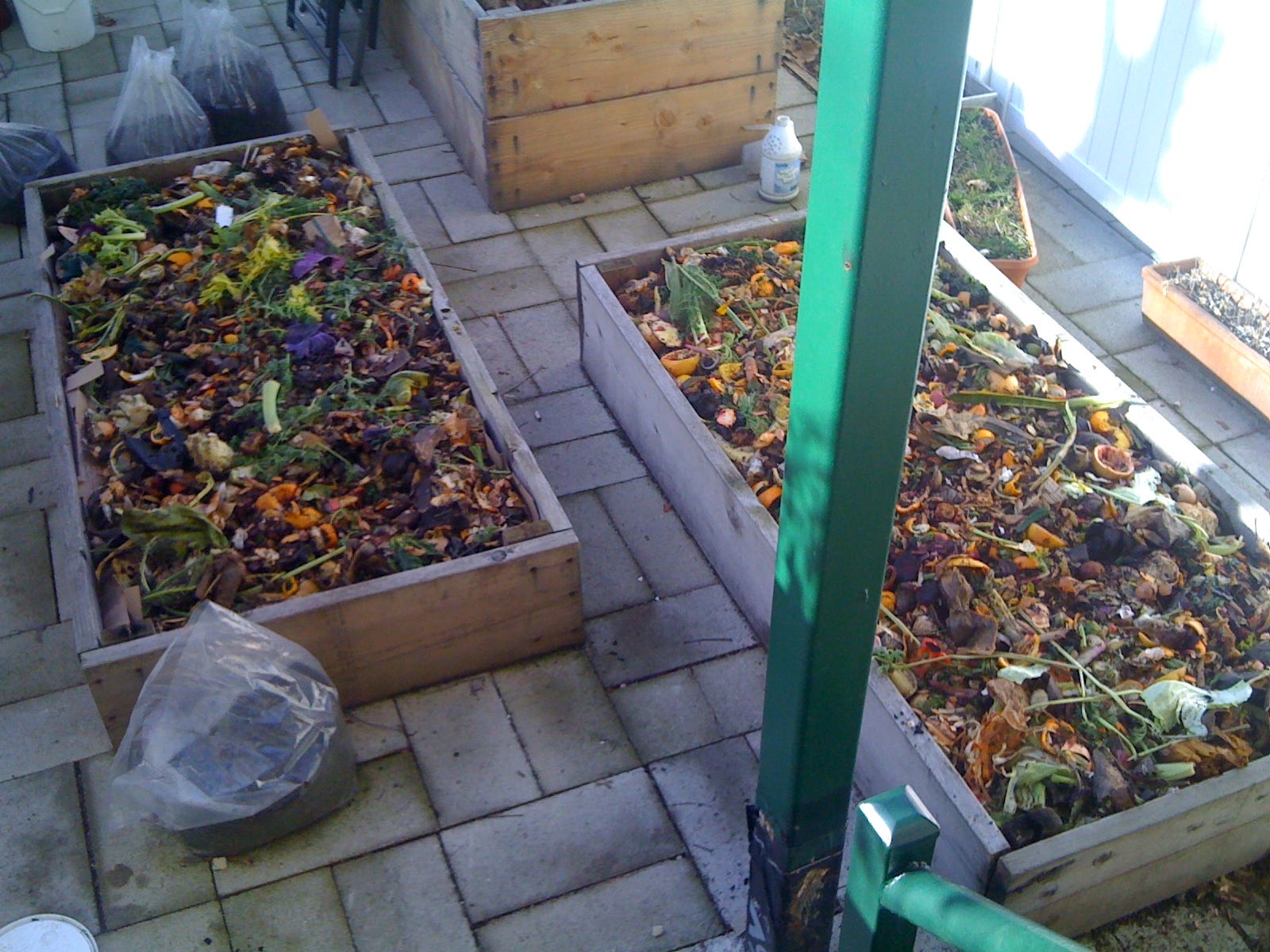
Some of my LJ friends I knew IRL; others I did not. I trusted all of them not to attack me for telling the truth. This helped. I did a lot of hot composting in my friends-only posts.
I also did a lot of composting in person, and on the phone. I knew plenty of ex-Zendiks whose appetite for talking about the Farm matched mine. And, if an ex-Zendik wanted to talk to me, I could assume that we basically agreed: Zendik was fucked up. If we hadn’t made it there, it wasn’t our fault. (Those who still lived at the Farm—until it dissolved, in 2013—or remained true believers, pretty much didn’t want to talk to me. Definitely not at length.)
On December 27, 2021, ex-Zendik Lyndon McLeod killed five people in Denver, and was shot to death by a police officer. Two days later, I heard about his murders and death from a Denver reporter; over the next few days and weeks, I talked with many reporters. This helped me compost my relationship with him. But it wasn’t enough.
I got coached on my pile. I traveled to Scotland and communed with the land Lyndon hailed from. I talked to his ancestors. I had a few conversations with fellow ex-Zendiks who’d also known him. These conversations helped. But a number of them differed in flavor from those I’d had with other ex-Zendiks about Zendik: this time, we didn’t necessarily agree. Many of them dismissed him, with hatred, contempt, and/or disgust. I too have felt disgusted by his attitudes and actions. But I don’t hate him. I just don’t. This difference has interfered with this form of composting.
When I imagined starting a publication called Everything Is Compostable, I wasn’t planning to feature my relationship with Lyndon. That seemed risky. I was scared. I am scared. And doing it anyway.
Why? Because I want to. For some reason, the web of life has placed this call on my heart, and who am I to reject it? For years, Zendik fascinated me; I could talk about it ad nauseam. As of late 2023—though I am still interested in drawing insights from my Zendik experience—I feel pretty darn complete. That pile has become fertile soil. I’ve turned it enough. But my Lyndon pile? Not so much. I could still talk about it ad nauseam—and I am seeing that I must go further afield to find those eager to join me in that conversation. Eager to listen.
Also, I’m thinking that Substack’s paywall may help me recreate some version of the friends-only sphere on LiveJournal—is someone really going to pay me a monthly fee just to rip me apart?
I am also composting my relationship with Lyndon in (semi-)public, because:
1. Lyndon killed people. He himself said he was “evil.” And it sickens me that so many media types fed his story into their bias-confirming machines. Judgment? Tons of it. Curiosity? Not so much. Which doesn’t work even for those who see Lyndon as “the enemy”—how do you expect to fight his ilk if you refuse to even try to understand him?
2. I can’t be the only one who’s been friends with a murderer or obsessed over how the choices I made may have affected his actions. Yet I do not see much writing on this subject. I suspect that there are many humans alive right now who have had experiences similar to mine, and felt isolated by them, felt they couldn’t share them because no one else would understand. If this is you, I invite you in.
3. Few people who knew Lyndon have publicly owned their interactions with him. I don’t blame them. I imagine they view this part of their past with fear, shame, anger, disgust. I imagine they fear being cancelled. Well, I have all kinds of feelings too. And I’m willing to feel them. I’m willing to go first. In hopes that my honesty will inspire others who knew him to do the same.
The bottom line?
I’m a writer. And I want to write about my relationship with Lyndon. So I will. Even if it costs me.
What would you write about, if you could be sure it wouldn’t cost you? If you were willing to bear the cost?